WHO urged to review drinking water standards amid nitrate health fears
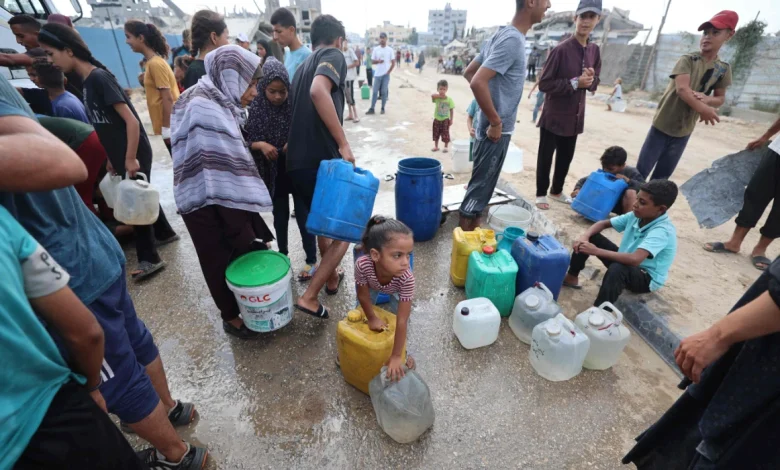
GENEVA: Dozens of global health and environmental organizations called on the World Health Organization on Tuesday to revise decades-old standards for nitrate levels in drinking water, arguing they do not reflect recent scientific evidence about potential health risks.
In an open letter, 85 organizations, including Greenpeace International and the World Organization of Family Doctors (WONCA), called on the United Nations health agency to include nitrate in an upcoming review of its drinking water guidelines.
The toxic effects of nitrates — a residue left behind by intensive farming — are widely recognized as particularly dangerous for children and pregnant women.
But the current WHO guidelines — which set the maximum acceptable nitrate level in drinking water at 50 milligrammes per liter as nitrate or 11.3 milligrammes per liter as nitrate-nitrogen — date back to 1958 and are “outdated,” the organizations warned.
That level was set specifically to prevent so-called “blue-baby syndrome” — a deadly blood disorder in which the blood’s capacity for carrying oxygen is reduced.
But the limit “has not been updated in response to robust epidemiological evidence linking chronic, low-level nitrate exposure to long-term human health risks,” Tuesday’s letter said, pointing in particular to “colorectal cancer and adverse birth outcomes.”
“Studies now link nitrate in drinking water, at levels well below the current WHO limit, to bowel cancer and premature birth,” WONCA chair Pratyush Kumar said in a joint statement.