Bangladesh garment workers clash with police, defy call to end protests
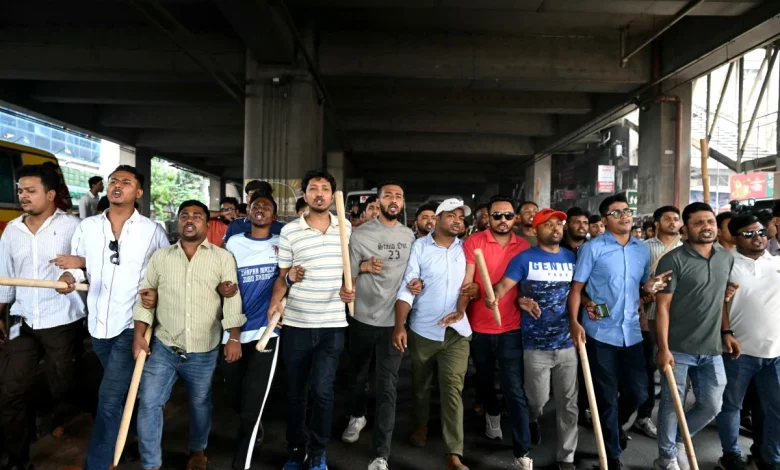
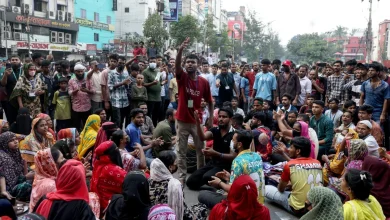
DHAKA: Paramilitary forces were deployed in industrial suburbs around the Bangladesh capital as protests by garment sector workers demanding a wage hike stretched into their fourth day on Tuesday, defying calls to return to factories.
Protesters are still on the streets despite the government’s announcement of a board to review the minimum wage in the vital garment industry, which employs millions of people and generates the bulk of Bangladesh’s export earnings.
The South Asian nation of 170 million people is the world’s second-biggest garment exporter behind China, producing clothes for major international brands.
Police have filed cases against thousands of unidentified protesters for torching police vehicles and damaging property, with 58 officers injured since protests began, police spokesperson Kamarum Munira said.
Workers said scores of protesters have also been injured, with demonstrators seen hurling bricks at police who in turn used batons and fired tear gas to disperse the crowds.
“Some factories are closed and workers have taken to the streets,” Home Minister Salahuddin Ahmed said on Tuesday.
“Some miscreants are trying to incite violence and make the situation more complicated.”
The paramilitary Border Guard Bangladesh force said it had deployed forces in Gazipur and Narayanganj, key industrial suburbs around Dhaka, and were using drones to monitor the unrest.
The garment industry generates around four-fifths of Bangladesh’s export earnings, worth up to $38 billion, and employs more than four million people.
Workers say the rising cost of food, housing, transport and health care has eroded their purchasing power in a country with eight percent inflation.
They are demanding a minimum monthly wage of 30,000 taka ($245) — a 140 percent increase from the current 12,500 taka.
Industry representatives said on Monday workers from at least 670 factories had walked out.