Iran-US deal ‘bad for Israel,’ says Israeli finance minister

Israeli analysts say US-Iran deal ‘political victory’ for Tehran
Tehran
The US-Iran agreement reached under Pakistani mediation is “bad for Israel and the entire free world,” claimed Israeli Finance Minister Bezalel Smotrich on Monday.
“The joint campaign had many achievements in weakening Iran, and they will not go to waste,” he said on the US social media company X.
“We will have to continue the campaign to topple the regime ourselves and in creative ways, and ensure that Iran will never have nuclear weapons,” he added.
Claiming that Tel Aviv will be tested in Lebanon, Smotrich said he will “continue to act” to give the Israeli army “full freedom of action to continue pushing Hezbollah away.”
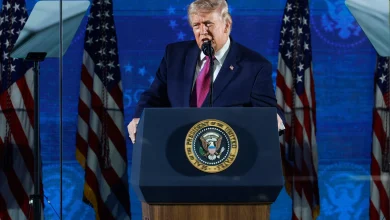
US President Donald Trump declared Sunday that a peace agreement with Iran had been completed. The deal includes halting war on all fronts, including Lebanon, the reopening of the Strait of Hormuz and the end of a US naval blockade on Iran.
Despite the announcement, the Israeli army continued to launch airstrikes in southern Lebanon on Monday.
The Israeli attacks have killed over 3,700 people, wounded nearly 11,500, and displaced over 1.5 million since March 2, according to Lebanese officials.
Israeli analysts say US-Iran deal ‘political victory’ for Tehran
Israeli political analysts have described a US-Iran agreement as a “political victory” for Tehran, accusing Israeli Prime Minister Benjamin Netanyahu of making Israel “hostage” to Trump.
Trump announced Sunday that an agreement with Iran had been finalised and said he was authorising the reopening of the Strait of Hormuz and the removal of a US naval blockade.
In reports released before the deal’s announcement and reviewed by Anadolu, Israeli commentators said the agreement would leave key Israeli concerns unresolved, including Iran’s ballistic missile program and Tehran’s support for regional allies.
Writing in the Israeli daily Israel Hayom, columnist Ben-Dror Yemini said any possible agreement would effectively amount to US recognition of “a stronger and more radical Iranian regime.”
Yemini argued that the agreement would be seen in Iran as a “political victory” because it gives the regime international recognition without substantially addressing its ballistic missile program or its links with regional allies.
He said Iran would continue to pose a regional threat and that Israel would still face a ballistic missile threat, adding that the Lebanese group Hezbollah, the Yemeni Houthi group, Shia militias in Iraq, and the Palestinian group Hamas would continue to operate with Iranian funding.
“Hamas was not defeated after a war that lasted two years, and Iran was not defeated after 40 days of bombing,” Yemini noted.
On the Netanyahu-Trump relationship, Yemini said many Israelis had hoped it would produce unprecedented coordination.
While there had been tactical cooperation, including joint strikes on Iran, he said it had not translated into a strategic achievement.
‘Serious political defeat’
In the Israeli daily Maariv, political analyst Ben Caspit said that despite Israel’s