Rising oil prices jolt Pakistan’s fragile economy
Oil shock is squeezing Pakistani labourers, farmers, commuters and Eid shoppers alike
islamabad
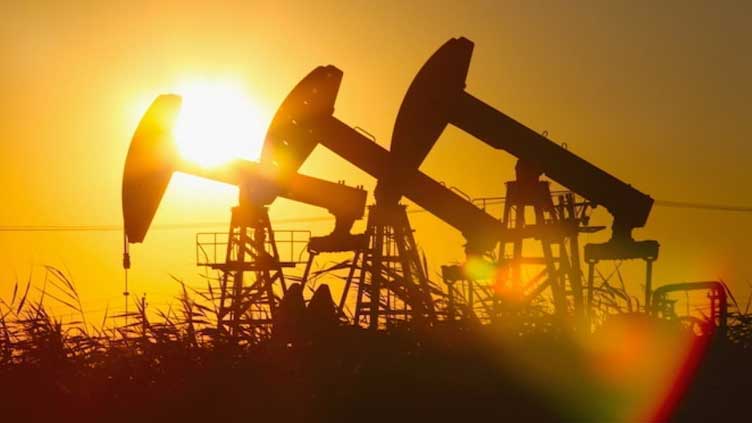
Pakistan imports more than 85% of its crude oil from Saudi Arabia and the United Arab Emirates through a single maritime route via the Strait of Hormuz, and the escalating conflict in the region has disrupted that passage, further destabilising the country’s already fragile economy.
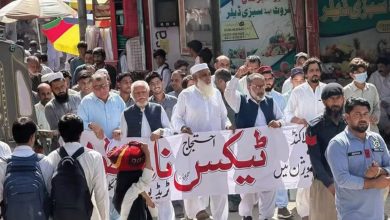
Farmers say they are struggling to cope with rising fuel costs ahead of the harvest season, while some schools are due to shift online on Monday. With nearly half of Pakistan’s 250 million people living in poverty, according to the World Bank, many children lack access to a laptop, tablet or reliable internet. Ahead of Eid ul Fitr, many families are also cancelling trips to their hometowns, dimming what is usually a festive period marking the end of Ramadan.
“Pakistan is already bankrupt and surviving loan by loan,” said Kaiser Bengali, a Pakistani economist, referring to the loans that the South Asian nation has received from the International Monetary Fund. “Any prolonged disruption could topple its economy.” Surging energy costs have choked the economies of megacities and rural areas across South Asia, where many live on daily wages with little to no savings to cushion sudden rising costs.
In India, some restaurants have removed slow-simmered dishes from their menus to limit the consumption of cooking gas, and one city has suspended gas-fuelled cremations. In Bangladesh, universities have closed to conserve electricity and reduce transportation needs. In Nepal, the government plans to ration cooking gas.
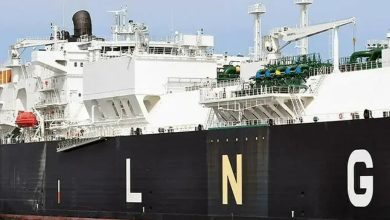
Pakistan has been hit especially hard. Nearly all of its fuel arrives through the Strait of Hormuz, a route that is now being strangled by Iran. At least 16 ships, including oil tankers and commercial vessels, have been attacked in the Persian Gulf since late February. Tanker traffic has slowed, forcing ships to remain docked in the port city of Karachi, Pakistan’s economic hub and a stopping point for many of those tankers.
With its supplies cut off, the Pakistani government raised fuel prices on March 6 by 20% in an effort to stop hoarding — one of the world’s highest increases since the beginning of the US-Israeli war in Iran.
According to the NYT, Rising costs have badly hurt the farmers and daily labourers who drive the bulk of Pakistan’s economy.
Agriculture contributes over 23% of gross domestic product and employs 37% of the labour force. Farmers in Pakistan’s heartland, who are preparing for the spring harvest, said rising fuel prices would raise the cost of running the machinery to plough fields and the trucks to take grain to market.
“The use of tractors and other agricultural machinery is unavoidable at most stages of cultivation and harvesting, and these largely run on diesel,” said Aamer Hayat Bhandara, a farmer from the Pakpattan district in Punjab, Pakistan’s most populous province and its breadbasket.