Religious scholars, leaders issue code of conduct for Hajj, Umrah pilgrims, urge strict compliance with Saudi laws
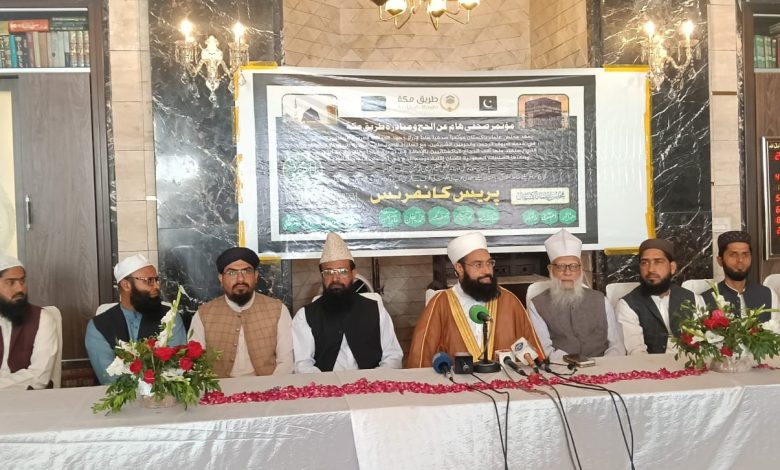
Pakistan Ulema Council, Dar-ul-Ifta Pakistan and the International Tazeem-e-Haramain Sharifain Council on Sunday have issued a comprehensive code of conduct for Hajj and Umrah pilgrims, urging strict adherence to Saudi regulations and preservation of the sanctity of the holy sites.
The guidelines were announced at a press conference in Lahore led by Chairman of the Pakistan Ulema Council and Secretary General of the International Tazeem-e-Haramain Sharifain Council, Hafiz Muhammad Tahir Mahmood Ashrafi, along with prominent scholars and religious leaders.
Addressing the gathering, Ashrafi emphasized that pilgrims must respect the sanctity of the Two Holy Mosques and fully comply with the rules and regulations issued by Saudi Arabia’s Ministry of Hajj and Umrah.
He said performing Hajj without a valid permit is both religiously impermissible and illegal, urging those residing in Saudi Arabia to avoid undertaking Hajj without official authorization.
The scholars advised pilgrims to acquire complete knowledge of Hajj and Umrah rituals before departure to avoid difficulties during the holy journey. They stressed that Saudi Arabia continuously strives to facilitate pilgrims, and it is therefore obligatory for visitors to cooperate with authorities and follow the prescribed code of conduct.
Pilgrims were also urged to avoid engaging in political activities during Hajj and not to become part of any such efforts, warning that such actions could disrupt the peaceful environment of the holy sites.
The code further cautioned against booking travel through unregistered or unauthorized Hajj and Umrah operators, including informal online groups.
Highlighting the spiritual essence of Hajj and Umrah, the scholars advised pilgrims to purify their intentions solely for the sake of Allah Almighty and avoid actions driven by showmanship, including unnecessary photography and videography during acts of worship.
They stressed the importance of patience, humility and discipline throughout the pilgrimage, reminding pilgrims that hardships are part of the journey and enduring them brings greater reward.
Pilgrims were encouraged to remain engaged in remembrance of Allah, recitation of Durood Sharif and Talbiyah, especially during travel delays or crowded situations.
The scholars urged pilgrims to strictly follow the instructions of their group leaders, particularly during movement between Mina, Arafat and Muzdalifah, and to avoid haste that could lead to accidents.
Special guidance issued by scholars for women, the elderly and the sick regarding rituals such as Rami al-Jamarat should be followed, they added, emphasizing that Islam provides ease and concessions which should be utilized.
The code clearly warned against illegal activities, including begging and carrying narcotics in Saudi Arabia, describing them as serious crimes.
Pilgrims were also advised to avoid rumors, maintain discipline and immediately inform group leaders of any suspicious or disruptive activities.
A resolution passed at the conference praised Saudi Arabia for its services to Islam and Muslims, particularly its continuous efforts to improve facilities for pilgrims.
The participants reaffirmed that pilgrims from Pakistan and other countries, as well as organizers and governments, are bound to fully comply with Saudi Arabia’s Hajj policies.
The scholars concluded by stressing that maintaining order, discipline and respect for the holy sites is essential to ensure a safe, peaceful and spiritually fulfilling pilgrimage experience for all.