International Criminal Court members remove Chief Prosecutor Karim Khan over misconduct claims
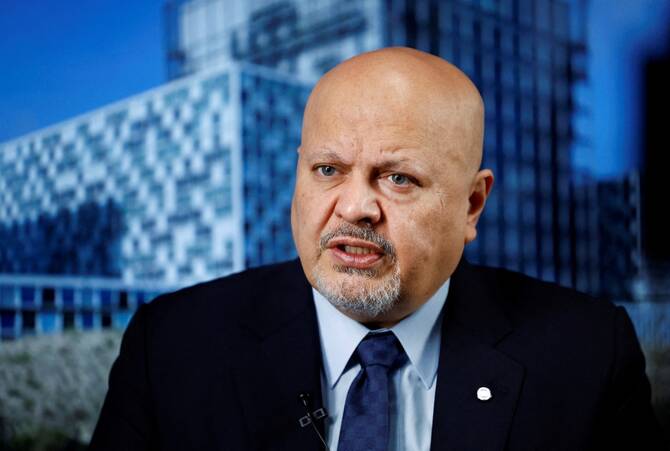
NEW YORK CITY: Member states of the International Criminal Court voted on Friday to remove Chief Prosecutor Karim Khan from office.
The historic rebuke ended a two-year saga over allegations of sexual misconduct, and leaves the embattled tribunal with a leadership vacuum as it presses forward with war crimes investigations from Gaza to Ukraine.
In a secret ballot during a special session of the Assembly of States Parties at the UN headquarters in New York, 82 of the court’s 125 members backed the dismissal of Khan, comfortably clearing the absolute majority of 63 votes that was required. Thirteen states voted against his removal and 15 abstained.
It was the first time in the ICC’s 24-year history that member states have voted to oust a sitting chief prosecutor. The decision took immediate effect, triggering an election process to choose a successor that is not expected to conclude before next year.
The case centered on allegations that Khan, 56, engaged in nonconsensual sexual encounters with a member of his office staff. A UN-mandated panel of judges that investigated the claims found Khan had engaged in nonconsensual sexual contact with the staffer, but concluded the evidence did not meet the legal threshold required to sustain a formal finding of misconduct.
In Friday’s vote, member states overrode that judicial assessment and adopted the findings of the Bureau of the Assembly of States Parties, the court’s executive and oversight body, instead.
Khan’s accuser has said her complaint was genuine but had been used by parties pursuing their own agendas related to the court.
Throughout the process, Khan, who is British, has denied any wrongdoing. His lawyers argued that the removal proceedings were procedurally flawed and politically tainted, pointing in particular to sanctions imposed on Khan by the Trump administration.
His attorney, Sareta Ashraph, said he denies having any form of sexual contact or relationship, consensual or otherwise, with the accuser.
Khan has said he intends to appeal his dismissal before the administrative tribunal of the International Labour Organization, the body that hears employment disputes brought by ICC staff.
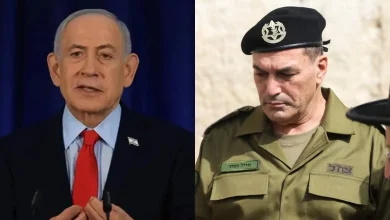
His supporters have framed the proceedings as retaliation for his decision in May 2024 to seek arrest warrants against Israel’s president, Benjamin Netanyahu, and former defense minister, Yoav Gallant, over the war in Gaza.
Warrants issued during Khan’s tenure will remain in force despite his dismissal; only the court’s judges have the authority to withdraw them.
Israel’s permanent representative to the UN, Danny Danon, said Khan was wrong to believe that “by launching a political witch hunt against Israel and issuing a politically motivated arrest warrant against Prime Minister Netanyahu, the world would ignore the grave sexual misconduct allegations against him.”
He accused Khan of seeking to “scapegoat Israel” and added: “Those who attempt to prosecute Israel will not escape accountability. They will also lose the trust of the international community.
“The attacks against Israel, which were intended to distract from his disgraceful conduct, did not save Karim Khan, and they will not help Zohran Mamdani either.”
Mamdani, the mayor of New York City, sparked controversy last week when he suggested he might order the arrest of Netanyahu if he came to the city for the UN General Assembly. He later conceded, after consulting with legal authorities, that he lacked the authority to do so and called instead on federal authorities to arrest the Israeli leader.