In two years Digital education reforms to raise KP literacy rate by 35pc: CM Afridi
Online teaching started in more than 50 schools
PESHAWAR
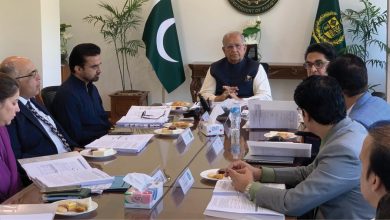
Khyber Pakhtunkhwa Chief Minister Muhammad Sohail Afridi on Tuesday approved a province-wide digital transformation of the education system, saying the initiative would help bring out-of-school children into the formal learning system and expand access to quality education in remote and underserved areas.
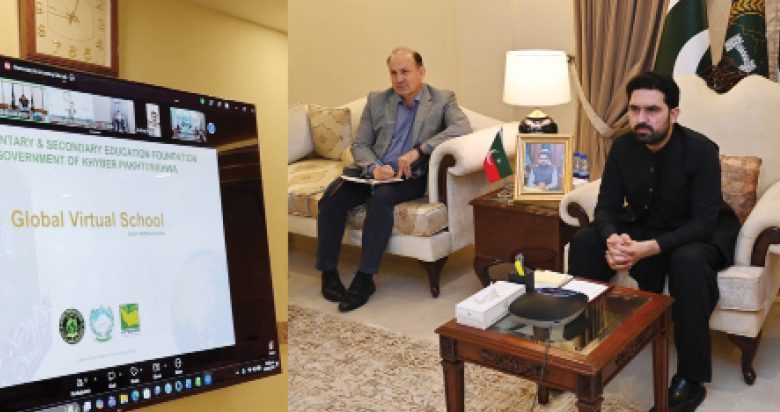
Chairing a high-level meeting on proposed digital education reforms, the chief minister said technology-driven learning would help overcome longstanding challenges in the education sector and make the system more accessible, efficient and cost-effective.
Afridi said the provincial government aimed to increase the literacy rate by 30 to 35 per cent over the next two years. He said a one-time investment of Rs5 billion in digital education reforms was a modest allocation compared to the overall education budget but had the potential to deliver significant improvements.
He said the digital reforms could prove more effective than the traditional education model that had remained largely unchanged for decades, adding that technology-based learning would also help reduce geographical and social barriers affecting girls’ access to education.
According to a briefing given at the meeting, the “Parho Khyber Pakhtunkhwa” initiative would digitise the provincial curriculum, allowing students to access textbooks and learning material through mobile phones. The system would also enable offline access to classes, ensuring uninterrupted learning regardless of location.
Officials told the meeting that the Rs5bn investment was expected to generate annual savings of more than Rs100bn. They said the initiative would utilise the widespread availability of smartphones, with around 90 per cent of households in the province having access to smart devices.
The meeting was informed that online teaching had already started in more than 50 schools, while 500 schools were expected to be connected with the virtual learning platform by the end of August.
The digital learning ecosystem will include virtual science laboratories and language labs offering courses in Chinese, Korean, French, Arabic, Spanish and English. Virtual schools will operate in two shifts to accommodate students in Asian and European time zones.
Officials said digital teaching would also be introduced in Pashto, alongside Urdu and English, to improve accessibility and inclusion.
The integrated digital education platform will combine teaching, assessments, assignments, attendance management and academic monitoring through a single system. The platform will use artificial intelligence alongside teacher-led instruction to provide personalised learning pathways based on students’ abilities and academic progress.
The chief minister directed relevant authorities to ensure timely implementation of the approved initiatives, saying the reforms would lay the foundation for a modern and equitable education system in the province.