APBF seeks export reforms as trade gap widens despite 11pc growth
Maaz Mahmood calls for lower business costs, export diversification, SME finance
LAHORE
The All Pakistan Business Forum (APBF) has called for a comprehensive policy shift to convert the recent rise in exports into sustained export-led growth, warning that the widening trade deficit shows that higher export receipts alone cannot resolve Pakistan’s external-sector challenges.
The call comes after Pakistan’s merchandise exports increased 10.84 per cent to $8.43 billion during the first quarter of FY27, from $7.59 billion in the corresponding period last year. However, imports grew by a much faster 13.21pc to $19.22bn, pushing the trade deficit up 15.13pc to $10.79bn. September exports also rose 17.61pc year-on-year to $2.94bn.
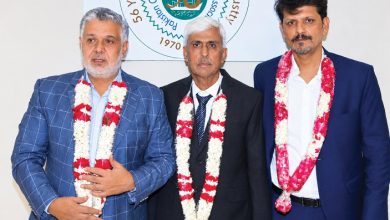
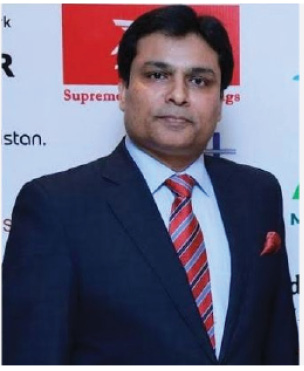
APBF President Syed Maaz Mahmood and Chairman Ibrahim Qureshi said the latest figures presented both an opportunity and a warning for policymakers. They said the improvement in exports should be supported through structural reforms instead of being treated as a temporary improvement.
They stressed that Pakistan needed to reduce the cost of production, improve productivity and create conditions that encourage manufacturers, particularly small and medium-sized enterprises, to enter export markets.
The APBF leaders said high energy prices, expensive financing, taxation, regulatory complications and limited access to modern technology continued to constrain businesses. They had previously called for easier credit, simplified loan procedures and lower financing costs for SMEs, arguing that small businesses could become an important source of investment, employment and exports if these constraints were removed.
Maaz Mahmood said the government should now move from announcing reforms to ensuring their implementation. He said delays in approvals, excessive documentation and overlapping regulatory requirements increased the cost of doing business and discouraged entrepreneurs from expanding their operations.
He proposed a one-window digital system for business registration, licences, tax-related procedures and regulatory approvals, with fixed timelines and automatic escalation where departments failed to process applications within the prescribed period.
Ibrahim Qureshi said affordable working capital was essential for businesses seeking to increase production and enter international markets. He called for a broader shift towards cash-flow-based lending so that viable businesses were not denied finance merely because they lacked sufficient collateral.
The APBF leaders also stressed the need to strengthen export diversification. They said Pakistan should move beyond dependence on a limited number of traditional products by promoting value-added manufacturing, processed food, engineering goods, information technology and other higher-value sectors.
They said exporters should receive greater assistance in obtaining international certifications, adopting digital production systems, improving quality standards and establishing direct links with foreign buyers.
The business forum also called for a stable and predictable tax regime. Frequent changes in tax rules, it said, made long-term investment planning difficult and encouraged businesses to remain cautious about expansion.
The APBF leaders said the government should focus on broadening the tax base rather than repeatedly increasing the burden on documented businesses. They also stressed that timely refunds and simplified tax procedures were essential for improving business liquidity.