What UK’s change of guard means for Middle East ties
LONDON: It is a measure of the importance that successive UK governments have placed on close economic and political ties with the Gulf, to say nothing of Britain’s historic connections to the region, that since 2007 and the premiership of Gordon Brown, British prime ministers have paid no fewer than 34 official visits to the Gulf states — three more than the total number of trips made to the US in that time.
With 11 visits, Saudi Arabia has been the most popular Gulf Cooperation Council destination for British prime ministers. Sir Keir Starmer, who resigned as Britain’s leader this week after just under two years in office, visited the Kingdom twice — for the first time in December 2024, and as recently as April this year.
As welcome as those close ties are to all of the Gulf states — the total trade in goods and services between the UK and Saudi Arabia alone was worth £13.8 billion ($18.2 billion) in 2025 — GCC governments that have spent the past two years developing working relationships with Starmer’s team, particularly those with trade, defense and foreign policy briefs, are now back to square one.
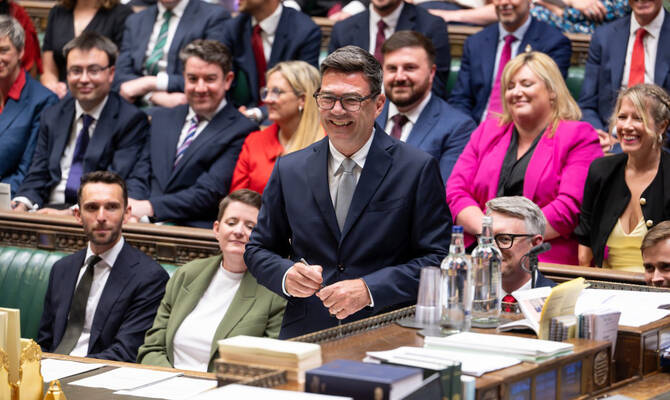
Andy Burnham, who seems certain to replace Starmer, could be in Number 10 Downing Street within a few weeks, or by September at the latest, should a challenger emerge from the ranks of the parliamentary Labour Party.