Economic pressure rises as joblessness hits record level, inflation shows no relief: BMP
Anjum Nisar concerned over slowdown, calls for pro-growth Budget measures
ISLAMABAD
The Federation of Pakistan Chambers of Commerce and Industry’s (FPCCI) Businessmen Panel (BMP) has expressed serious concern over the prevailing economic conditions in the country, stating that the upcoming federal budget must focus on economic revival, industrial growth, employment generation, and export promotion rather than relying solely on revenue collection measures.
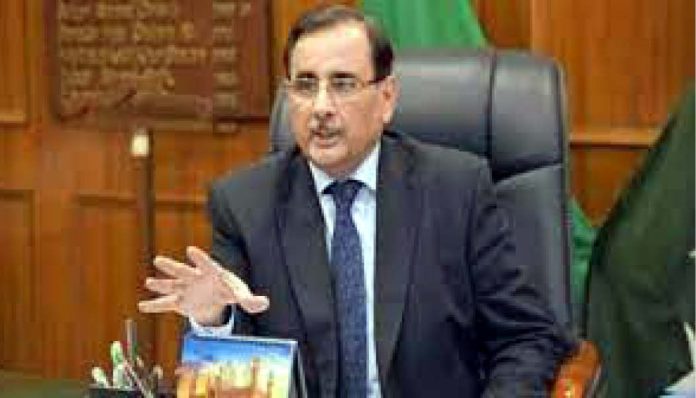
In a statement issued here today, FPCCI former president and BMP Chairman Mian Anjum Nisar said that despite claims of economic stabilization, the business community continues to face significant challenges, including high production costs, declining industrial activity, heavy taxation, expensive energy, and limited access to affordable financing.
He observed that the country’s economic performance remains below its true potential, as businesses across various sectors are struggling to maintain competitiveness in both domestic and international markets. He noted that sustainable economic growth cannot be achieved without addressing the structural issues affecting industry, trade, and investment.
Mian Anjum Nisar said that the government should ensure that the forthcoming budget provides meaningful relief to the productive sectors of the economy.
He stressed that the private sector remains the primary engine of economic growth and employment generation and therefore deserves policy support that encourages expansion and investment.
The BMP chairman pointed out that industrial production has not witnessed the desired level of growth due to persistent challenges, including high electricity and gas tariffs. He said that energy costs in Pakistan remain significantly higher than those in competing regional economies, making it difficult for local manufacturers to compete in export markets.
He emphasized that export-led growth should remain a central objective of economic policy. According to him, Pakistan possesses considerable potential in textiles, agriculture, information technology, engineering goods, pharmaceuticals, and other value-added sectors. However, exporters require a stable policy environment, competitive utility rates, and easier access to credit facilities to expand their operations.
Mian Anjum Nisar also highlighted the importance of supporting small and medium-sized enterprises (SMEs), which constitute a substantial portion of the national economy. He said SMEs continue to face difficulties in obtaining financing and coping with increasing operational costs.
The government should introduce targeted incentives and financing schemes to help these enterprises grow and create employment opportunities.
Commenting on inflationary pressures, he noted that although inflation has moderated compared to previous peaks, the cost of doing business remains elevated. Rising transportation expenses, utility bills, taxation, and regulatory compliance costs continue to burden businesses and consumers alike. He stressed that economic policies should focus on reducing the cost of production and improving overall market efficiency.
The BMP chairman further stated that attracting domestic and foreign investment requires policy consistency and investor confidence. Frequent policy changes and regulatory uncertainty discourage long-term investment decisions. He urged policymakers to engage regularly with the business community to ensure that economic reforms are practical, realistic, and aligned with market requirements.
He said the agricultural sector, which plays a crucial role in Pakistan’s economy, also requires special attention. Measures should be introduced to improve agricultural productivity, modernize farming practices, enhance water management, and support value-added agro-based industries. Strong linkages between agriculture and industry can contribute significantly to economic growth and export earnings.
Mian Anjum Nisar underscored the importance of broadening the tax base rather than imposing additional burdens on existing taxpayers. He maintained that sustainable revenue generation can only be achieved by bringing untaxed sectors into the tax net and improving tax administration. He warned that excessive taxation on documented businesses may discourage investment and hinder economic activity.
He further stated that Pakistan’s youth population represents a major economic asset. Creating employment opportunities for young people should remain a key priority. He said that industrial expansion, entrepreneurship promotion, vocational training, and support for emerging sectors can contribute significantly to job creation and economic development.
The BMP also called for greater attention to infrastructure development, logistics improvement, and digital transformation. Efficient transportation networks, modern industrial zones, and improved digital connectivity can help reduce business costs and enhance productivity across various sectors of the economy.
Mian Anjum Nisar emphasized that macroeconomic stability and economic growth should go hand in hand. While fiscal discipline remains important, growth-oriented policies are equally necessary to improve living standards, increase employment opportunities, and strengthen the country’s productive capacity.
He urged the federal government to formulate a balanced and business-friendly budget that encourages investment, promotes exports, supports industrialization, and enhances economic competitiveness. Such measures, he said, would help restore business confidence and place the economy on a sustainable growth path.
The BMP chairman concluded by reiterating the business community’s willingness to work closely with policymakers to address economic challenges and formulate effective solutions.
He expressed hope that the government would take into account the recommendations of the private sector and adopt policies that facilitate economic expansion, improve productivity, and contribute to long-term national prosperity.