Crude oil surges toward $110 a barrel on Middle East turmoil and plunging US inventories
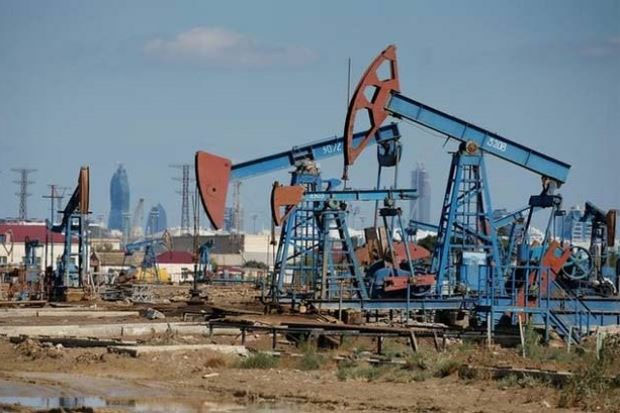
Global crude oil prices just went through a week of intense volatility, with Brent at one point touching $110 a barrel for the first time since May, while U.S. benchmark WTI gained more than 10% on the week. The two main forces behind the escalation are the risk of supply disruptions from the Middle East and an unexpected plunge in U.S. commercial crude inventories. At the close of trading on October 16, Brent rose 3.7% to $109.86 a barrel, after briefly touching $110 during the session. WTI climbed 3.5% to $101.41 a barrel, its highest level since September 17. For the full week, Brent gained nearly 5%, while WTI surged more than 10%. In the United States, EIA data showed commercial crude inventories fell by more than 8 million barrels in the week ended October 9, far exceeding analyst forecasts that had anticipated a draw of only about 290,000 barrels. The direct cause was Hurricane Isaias, which forced operators along the Gulf of Mexico coast to temporarily halt production. U.S. daily crude output fell by roughly 300,000 barrels to 13.7 million barrels, while crude imports also declined by 790,000 barrels per day. Notably, even as feedstock supply tightened, U.S. refineries still increased their utilization rate to 93.5%, up 0.8 percentage points from the prior week, and the volume of crude processed continued to rise. This means the shortfall had to be covered from storage, driving commercial inventories down more sharply than expected. Inventories now stand about 3% below the five-year average. News Agency
Meanwhile, refined product inventories, including diesel, also fell by 2.5 million barrels. Kim Kwang-rae, a senior analyst at Samsung Futures, noted that this trend indicates feedstock demand from refineries remains elevated.
On the geopolitical front, tensions in the Middle East have been repeatedly reignited. Iran-backed Houthi forces carried out multiple attacks targeting Saudi Arabia during the week. A Saudi military spokesperson confirmed the kingdom intercepted several missiles launched across the Red Sea, including one aimed at the Yanbu oil export port—a critical shipping route that allows cargo to reach international markets without passing through the Strait of Hormuz. Three drones were also destroyed over Riyadh and the southern region. According to Reuters, the interception took place on October 16, and preliminary assessments indicated no damage to oil and gas infrastructure at Yanbu.
Saudi Arabia’s Ministry of Energy said an administrative building belonging to Saudi Aramco in Dhahran was struck by a missile on October 14. Earlier, Riyadh’s international airport was attacked on October 10, killing 12 people and injuring more than 300.
In the Strait of Hormuz, one of the world’s most critical crude oil shipping lanes, at least nine oil tankers and cargo vessels have been attacked since the start of the week as Iran seeks to tighten its grip on oil exports through the area. According to the International Maritime Organization, the attacks have left three crew members injured and two missing.
Data from energy research firm Kpler shows oil volumes shipped through Hormuz reached 9.4 million barrels per day in the week ended October 14, equivalent to only about 70% of the average level before the Iran-U.S. conflict erupted. Kpler forecasts that without a comprehensive political agreement, cargo flows through the strait will recover slowly and unevenly.
Consultancy Energy Aspects said oil prices have reversed higher on fears of escalating conflict, amid speculation about attacks on Saudi Arabia’s energy infrastructure. The firm also cited unverified reports from Israeli sources suggesting Iran may be preparing a preemptive strike. “While unverified, these developments reinforce our view that the risk of prolonged conflict will keep oil prices elevated,” Energy Aspects said.