Govt committed to reducing tax burden through structural reforms: Kiyani
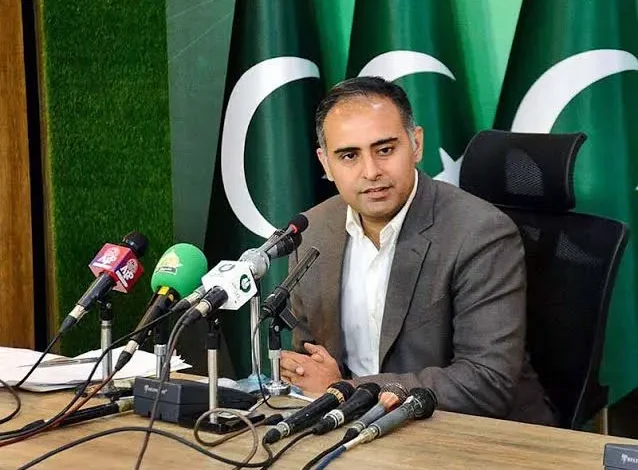
Minister of State for Finance & Revenue and Railways Bilal Azhar Kiyani said on Saturday that the government has introduced major tax relief and structural reforms to reduce burden on businesses, exporters, salaried persons and small traders, while efforts are being made to transform the FBR (Federal Board of Revenue) into a more transparent, facilitation-oriented and technology-driven institution.
He mentioned, super tax had been completely abolished for exporters and businesses with annual income between Rs 150m and Rs 500m, while the rate for companies earning more than Rs 500m had been reduced from 10 to 08%.
For exporters, the tax deduction on export proceeds had also been reduced from 02 percent to 1.25 percent. He added, the government was also introducing a new tax operating model featuring centralized and faceless audit and assessment mechanisms to reduce individual discretion, harassment and possibilities of collusion.
In his welcoming address, LCCI President Faheem-ur-Rehman Saigol said that Lahore Chamber, with around 48,000 member businesses comprising traders, industries and SMEs, represented one of Pakistan’s most important business communities.
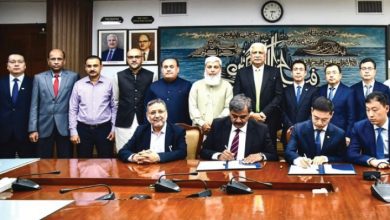
He was addressing the business community here at the Lahore Chamber of Commerce and Industry (LCCI), where he was received by LCCI President Faheem Ur Rehman Saigol. Senior Vice President Tanveer Ahmad Sheikh, former FPCCI President Mian Anjum Nisar, former LCCI President Malik Tahir Javed, FBR Commissioners Amna Kamal and Shabana Aziz, and LCCI Executive Committee members were also present.
He said the Chamber’s membership had grown from around 32,000 to 48,000 during 2024-26.
Appreciating Bilal Azhar Kiyani’s role and his previous engagement with the business community, particularly during discussions on SIFC-related matters, he said, Pakistan’s economy had witnessed some encouraging developments including remittances reaching up to USD 41.6 billion and Moody’s upgrading Pakistan’s credit rating from Caa1 to B3.
He, however, stressed that taxation, cost of doing business and energy tariffs remained major challenges. He particularly highlighted the high electricity tariffs, enforcement actions by LDA, RUDA and EPA-related issues, and the rapid conversion of agricultural land into housing schemes. He said, the government must protect the country’s productive agricultural land and broaden the tax base. He also expressed concern over the proposed relocation of 8,000 to 10,000 industries, saying Pakistan lacked the industrial zones and infrastructure required huge cost and time to relocate even a fraction of these units within a short period. He urged the authorities concerned to adopt a practical and consultative approach to industrial relocation and provide relief to SMEs and existing industries.