NIH and Iodine Global Network share findings of Pakistan’s first FORTIMAS pilot on salt iodization

Islamabad
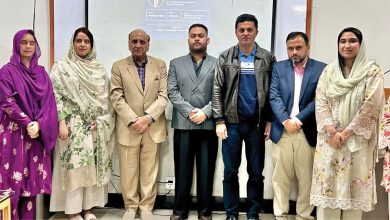
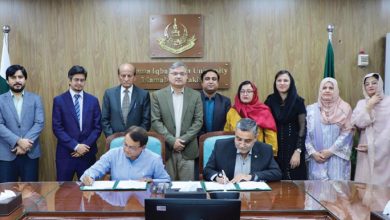
The National Institute of Health (NIH), with technical support from the Iodine Global Network (IGN), today shared the findings of Pakistan’s first Fortification Monitoring and Surveillance (FORTIMAS) pilot. The meeting was chaired by Sheikh Mazhar Nisar, Joint Executive Director, NIH, who also delivered the closing remarks.
Dr. Renuka Jayatissa, IGN Regional Coordinator for South Asia, presented the regional iodine situation, noting that national averages can hide local gaps and that sentinel surveillance in Sri Lanka has helped guide corrective action. Dr. Faiz Rasool, National Coordinator, IGN Pakistan, explained the rationale of the FORTIMAS approach for Pakistan, and Dr. Tanveer Ibrahim, Chief, Nutrition (IN&H), NIH, presented the findings. He walked participants through the pilot design, in which schoolchildren brought salt samples from home and women in early pregnancy gave urine samples at antenatal clinics, with all analysis done in NIH laboratories.
He stressed that the main gap is salt that is under-iodized rather than not iodized at all, and that the pilot shows continuous, low-cost surveillance can be run within Pakistan’s own institutions.
The pilot ran in Rawalpindi District from December 2024 to August 2025, entirely through government systems. Almost all household salt contained some iodine, but only about 4 in 10 samples met the national standard of 15 ppm.
Compliance was lowest in Kahuta, at about 1 in 5 samples, and close to 40% in Taxila, Murree and Central Rawalpindi. The median urinary iodine of pregnant women was 113 µg/L, below the WHO benchmark of 150 µg/L.
Representatives of federal and provincial departments, food authorities, the salt industry, academia, UNICEF, Nutrition International, the World Food Programme and GAIN discussed anchoring FORTIMAS at NIH and extending it to other provinces.