High administrative spending constrains industrial growth: PIAF
Faheem Saigol calls for fiscal discipline and productive use of public resources
LAHORE
The Pakistan Industrial and Traders Associations Front (PIAF) has expressed concern over the growing burden of administrative expenditure on public finances, saying the rising cost of running government machinery is leaving limited resources for development, infrastructure, employment generation and economic growth.
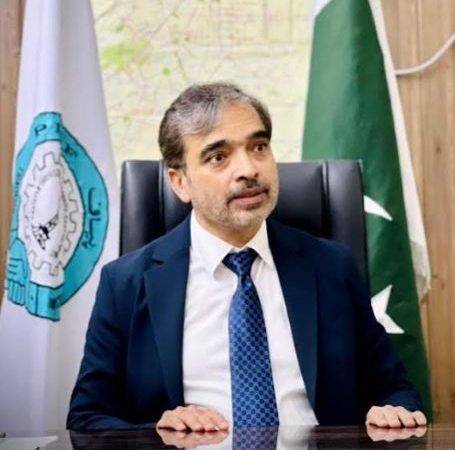
PIAF Chairman Faheem-ur-Rehman Saigol, Senior Vice Chairman Nasrullah Mughal and Vice Chairman Tahir Manzoor Chaudhary, in a joint statement, said Pakistan needed to review its expenditure priorities and ensure that public money was directed towards productive activities rather than allowing administrative costs to consume an increasingly large share of available resources.
They said the allocation of more than 80 per cent of provincial expenditure to recurrent costs was a matter of serious concern, particularly when the country needed substantial investment in infrastructure, industrial development, education, healthcare and employment opportunities.
Faheem-ur-Rehman Saigol said fiscal discipline and better expenditure management were essential for sustainable economic growth, adding that the government could not achieve meaningful development without creating sufficient fiscal space for productive investment.
He said rising administrative expenditure, alongside debt servicing and other recurring obligations, was restricting the government’s ability to undertake development projects and provide an enabling environment for businesses. Public spending should be assessed on the basis of its economic and social returns, while unnecessary expenditure and overlapping administrative functions needed to be reviewed.
He stressed that Pakistan required a long-term economic management framework that prioritised development, strengthened public institutions and encouraged private-sector participation instead of continuously expanding the cost of administration.
Senior Vice Chairman Nasrullah Mughal said the weak financial position of local governments was another major concern, as institutions closest to citizens and businesses continued to operate with limited financial authority and resources.
He observed that local governments accounted for less than five per cent of total government expenditure in 2024, reflecting the gap between administrative responsibilities and the financial resources available at the grassroots level.
Mughal said effective local government institutions could improve municipal services, infrastructure, business facilitation and development planning, particularly in industrial areas and commercial centres.
He called for meaningful fiscal devolution, with clearly defined responsibilities and adequate financial resources for local institutions. Strengthening existing local government structures would help improve service delivery, reduce administrative bottlenecks and ensure that development projects addressed actual needs at the district and community levels.
Vice Chairman Tahir Manzoor Chaudhary said the debate over creating additional provinces should also take into account the country’s existing fiscal constraints and the cost of establishing new administrative structures.
He said administrative restructuring should be guided by economic feasibility, improved governance and better public service delivery rather than political considerations alone. Creating additional administrative units without addressing existing institutional weaknesses could increase recurrent expenditure and place further pressure on an already constrained public finance system.
He stressed that businesses were already dealing with multiple departments, regulatory requirements and procedural complications, making institutional coordination and simplification of government processes more important than adding further layers of administration.
The PIAF leaders said the government’s ability to attract private investment also depended on the efficiency of public institutions. They pointed out that Pakistan’s public-private partnership programme had a pipeline of 47 projects, including 22 qualified and 25 non-qualified projects, but only one had reached the concession agreement stage.