Labour unions demand immediate halt to DISCO privatisation, warn of higher tariffs, job losses
ISLAMABAD
Public sector labour unions on Tuesday called on the federal government to immediately halt the proposed privatisation of electricity distribution companies (DISCOs), warning that the move would increase electricity tariffs, threaten workers’ jobs and deepen the country’s power sector crisis.
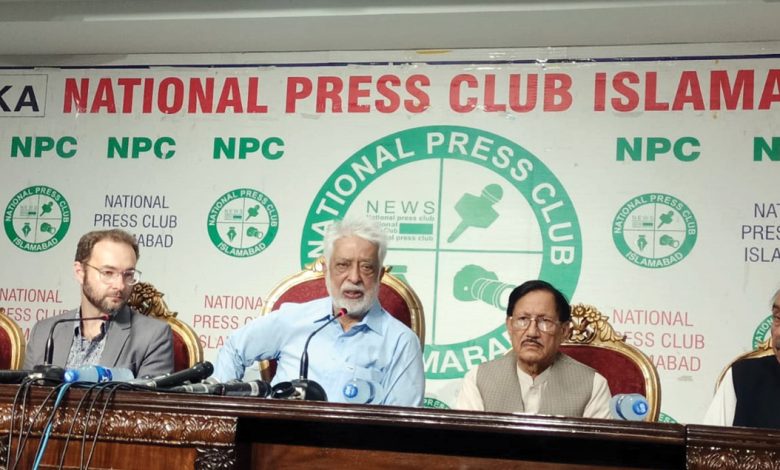
Addressing a press conference at the National Press Club (NPC) trade unions affiliated with the Public Services International (PSI) cited the findings of a newly launched report, “Paying More for Less: Payments and Profits in Pakistan’s Privatised Power Sector,” which argues that privatisation in the power generation sector has delivered substantial profits to private companies without significantly improving electricity generation.
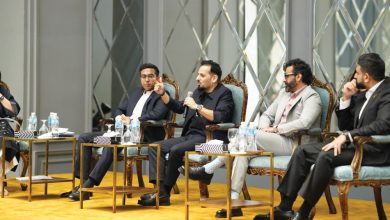
The report, jointly commissioned by PSI and Friedrich Ebert Stiftung (FES) Pakistan and prepared by the Centre for International Corporate Tax Accountability and Research (CICTAR), was unveiled during the National Labour Conference held in Islamabad.
According to the report, payments to Independent Power Producers (IPPs) under power purchase agreements more than doubled between 2021 and 2024, with capacity payments accounting for over 60 percent of total payments during the last two years. Despite trillions of rupees invested in private generation over the past decade, actual electricity supplied by the private sector has shown little growth, while public sector power plants now produce nearly two-thirds of the country’s electricity.
Labour leaders argued that several private companies continued receiving billions of rupees in capacity payments despite declining electricity generation, urging the government to conduct an independent review of existing power purchase agreements before proceeding with any further privatisation.
CICTAR researcher and lead author of the report, Edward Miller, said policies designed to attract private investment had generated enormous profits for investors while burdening consumers with rising electricity prices without increasing actual power generation.
He warned that as more consumers leave the national grid due to soaring tariffs, the financial burden would increasingly fall on the country’s most vulnerable citizens, adding that further privatisation of distribution companies would not resolve the structural problems created in the generation sector. Addressing the media on the occasion,
All Pakistan WAPDA Hydro Electric Workers Union (APWHEWU) President Abdul Latif Nizamani said WAPDA workers continued to power the country’s economy at far lower costs while private companies received billions for idle assets.
He alleged that privatisation had resulted in job losses, insecure employment and unaffordable electricity, adding that electricity was a public service that should remain under democratic public control.
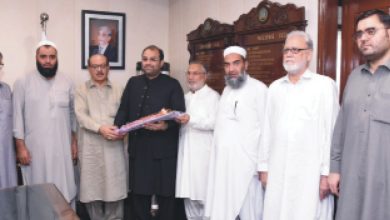
General Secretary of the CDA Mazdoor Union, Ch. Muhammad Yasin, referred to the union’s recent victory before the National Industrial Relations Commission (NIRC), where the commission ruled against the outsourcing of key public services in the Capital Development Authority.
He said the decision demonstrated that privatisation and outsourcing could be successfully challenged through organised legal and democratic action and urged trade unions across Pakistan to unite in defence of public services and workers’ rights.
PSI Asia Pacific Regional Secretary Kate Lappin described the existing system as both a moral and economic failure, arguing that private corporations were earning billions from idle power plants while ordinary families struggled under escalating electricity bills.
She cautioned that privatising electricity distribution would further transfer public resources to private investors and undermine efforts to build a fair and sustainable energy system.
The participating unions demanded an immediate halt to DISCO privatisation, a transparent review of power purchase agreements and the capacity payment mechanism, greater public accountability in electricity sector reforms, protection of affordable electricity as an essential public service, safeguards for workers’ rights and meaningful consultation with trade unions before any major policy decisions.
Labour leaders, including Ch. Abdul Rehman Aasi, Haji Ramazan Achakzai, Lala Sultan Khan, Gogar Taj, Javed Baloch, Ch. Sarfraz, Wali ur Rehman and representatives of APWHEWU, also addressed the press conference and pledged to continue opposing the privatisation of public services.