Will US sanctions on Iran bite? It may depend on China
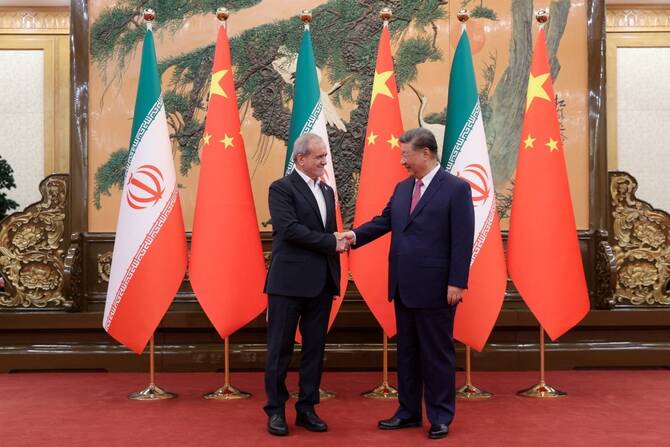
Since February, the United States has been applying military and political pressure to Iran to force terms akin to a surrender. Six months later, and despite the White House bombast, there has been no agreement, and international shipping through the Strait of Hormuz remains vulnerable to Iranian attacks. With talks seemingly drifting, Washington now appears to have moved to Plan B: tightening the financial noose.
The aim is to make Iran’s continued resistance so economically costly that it is forced to reconsider. US Treasury Secretary Scott Bessent thinks this will reduce the need for US military operations. Writing in The Financial Times, he described the latest sanctions as “a sweeping economic offensive” against Iran’s financial links and trading partners around the world, with the intention of inflicting an ‘Economic D-Day’ on the country.
Last week, the United Arab Emirates announced that it had suspended all forms of trade, commercial exchange, and financial transactions with Iran until further notice following another missile attack on the Gulf state. Bessent said the UAE’s decision “was no coincidence,” as he announced new sanctions on 60 individuals, entities, and vessels. Interestingly, the list included none of the Chinese financial institutions suspected of facilitating Iran’s oil trade.