Law, order continue to deteriorate in the Capital
ISLAMABAD
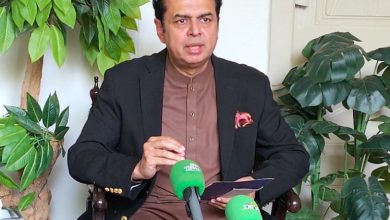
Islamabad’s fragile security situation was once again laid bare when a senior journalist was robbed at gunpoint in Sector G‑11 during the early hours of June 26. The incident occurred around 12:15 a.m., barely 500 meters from the Ramna police station, raising serious questions about the effectiveness of law enforcement in the capital city.
According to the FIR, the robbers intercepted him near G‑11 and fled directly toward Mehrabadi, a notorious settlement adjacent to the sector. Residents describe Mehrabadi, part of the larger katchi abadi network, as a hub of criminal activity where even police patrols hesitate to enter. The journalist, visibly shaken, told this media house: “Nobody dares to go there, not even the police.”
Despite the proximity of the crime scene to a police station, no patrols were present at the time. The victim lodged a formal complaint with Ramna police, and an FIR has been registered. Investigations have reportedly begun, but locals remain skeptical about whether justice will be served. Residents point to the failure of Islamabad’s much‑touted Safe City project, noting that most surveillance cameras in the area are either dysfunctional or not monitored effectively.
The project, launched with great fanfare, was meant to provide real‑time monitoring of the capital’s streets. Instead, it has become symbolic of inefficiency and neglect. Adding to the insecurity is the absence of basic infrastructure. The Capital Development Authority (CDA) has failed to install or maintain street lights in many sectors, including G‑11. The darkness provides cover for criminals, who exploit it to carry out robberies, car thefts, and assaults. Outlaws benefit directly from this negligence, as poorly lit streets make it easier to ambush unsuspecting citizens and escape undetected.
Residents of G‑11 expressed frustration, saying that if such brazen crimes can occur in well‑populated, settled sectors, the situation in sparsely populated areas must be even worse. “If criminals can strike here, what hope is there for those living in less secure neighborhoods?” one resident remarked. Another added that the absence of routine patrols and the reluctance of police to confront criminal networks entrenched in informal settlements have emboldened offenders.
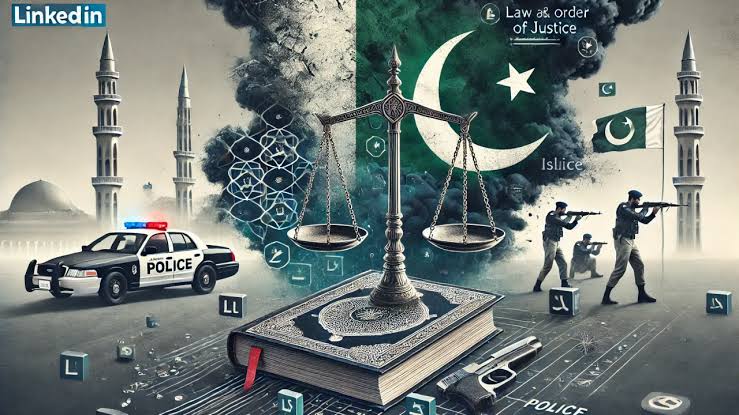
The incident underscores a growing perception that Islamabad’s law and order machinery is faltering. The lack of police presence, ineffective surveillance, and unchecked criminal activity in adjoining katchi abadis have created an environment where citizens feel increasingly vulnerable.
This robbery is not an isolated case but part of a troubling pattern. Sector G‑11, due to its proximity to Mehrabadi, has long been considered unsafe after dark.
The absence of routine patrols and the reluctance of police to confront criminal networks entrenched in informal settlements have emboldened offenders. Residents say that criminals often retreat into Mehrabadi after committing crimes, knowing that police rarely pursue them there.
The CDA’s negligence in maintaining street lights has compounded the problem. Without illumination, even the most basic deterrent against crime is missing. Citizens argue that the darkness is not accidental but systemic, reflecting a lack of accountability in civic management. The result is a city where criminals roam freely while law‑abiding residents live in fear.
Impact on Journalists and Citizens
For journalists, who often face threats due to their profession, the incident is particularly alarming. It highlights not only the risks faced by ordinary citizens but also the dangers confronting those tasked with holding institutions accountable. A senior journalist being robbed so close to a police station sends a chilling message: nobody is safe, regardless of profession or status.
Citizens across Islamabad are demanding urgent reforms. They want functional surveillance systems, regular patrols, and decisive action against criminal hideouts. Until then, the capital’s reputation as a “safe city” will remain little more than a slogan. Ramna police station has registered an FIR and initiated investigations. Officials claim that efforts are underway to trace the culprits, but residents remain doubtful. Past experiences suggest that investigations often stall, with little follow‑up or accountability.
Critics argue that unless police are willing to confront criminal networks in katchi abadis, such incidents will continue unabated.Islamabad’s law and order crisis reflects a broader governance failure. The CDA’s inability to provide street lighting, the police’s reluctance to patrol high‑risk areas, and the malfunctioning Safe City project all point to systemic neglect. Citizens feel abandoned, left to fend for themselves in a city that was once considered one of the safest in Pakistan. The situation also raises questions about urban planning. Informal settlements like Mehrabadi have grown unchecked, becoming sanctuaries for criminal activity. Without integration into formal policing and civic management, these areas will continue to undermine the security of adjoining sectors.
The robbery of a senior journalist in G‑11 is more than just another crime story. It is a stark reminder of Islamabad’s deteriorating security environment. With law enforcement hesitant, civic authorities negligent, and criminals emboldened, the capital is at risk of sliding into lawlessness. Unless urgent reforms are implemented—restoring street lights, repairing surveillance systems, and ensuring police accountability—citizens will remain vulnerable, and Islamabad’s image as a modern, secure capital will continue to erode. — DNA