Empowering women is not just reform, it is nation building: WCCI
Islamabad
The Women Chamber of Commerce & Industry Peshawar (WCCI Peshawar Division) welcomes and appreciates the landmark decision of the Federal Tax Ombudsman of Pakistan in Complaint No. 18986/PWR/IT/2025, which has resulted in a significant relief measure for women entrepreneurs across Pakistan.
This initiative was filed by Nida Khan after seeking feeback from WCCI Peshawar Division regarding the implementation of Clause 19, Part III, Second Schedule of the Income Tax Ordinance, 2001.
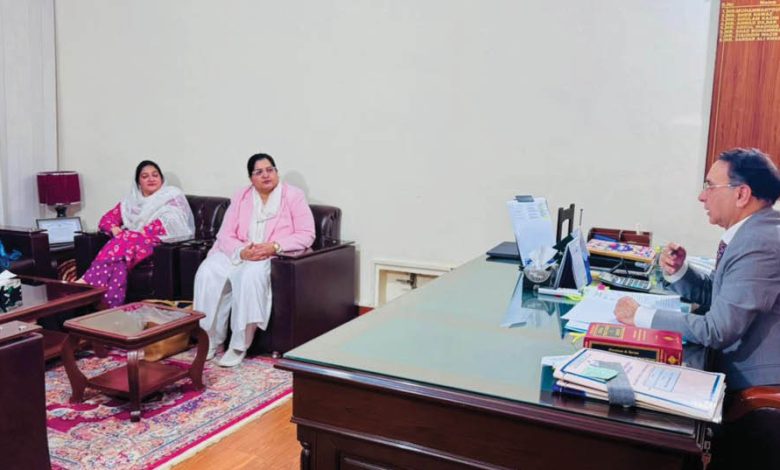
During the proceedings, the Federal Tax Ombudsman invited a delegation of the Chamber to present its perspective and highlight the concerns faced by women entrepreneurs. After careful consideration of the Chamber’s input, the Ombudsman passed the order granting relief in favor of women taxpayers.
Subsequently, the Federal Board of Revenue has formally implemented the order. The Director General I & Digital Trnasformation, Inland Revenue has notified the deployment of a dedicated tab in the income tax return, enabling women entrepreneurs to avail the benefit in a structured and accessible manner.
As a result, women entrepreneurs can now avail a 25% tax concession in their income tax returns from Tax Year 2025 onwards.
This development represents a major milestone in promoting economic inclusion and strengthening the participation of women in the formal economy. It demonstrates the impact of constructive engagement between representative business bodies and public institutions in achieving meaningful structural reforms.
Quratulain, President of WCCI Peshawar Division, expressed her appreciation to the Federal Tax Ombudsman and the Federal Board of Revenue for addressing the issue and ensuring timely implementation. She also commended Ms. Nida Khan for taking this initiative in the broader interest of women entrepreneurs and for her commitment to advancing women’s economic rights.
The Women Chamber of Commerce & Industry Peshawar Division remains committed to advocating for policies that promote financial empowerment, reduce barriers for women-led businesses, and contribute to sustainable national development.