Women’s Parliamentary Caucus launches parliamentary expert network
Gender Karavan’s 16 Days Campaign
Islamabad
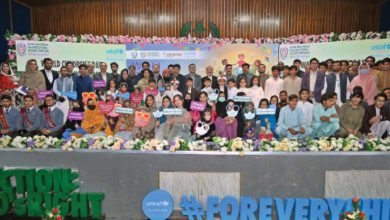
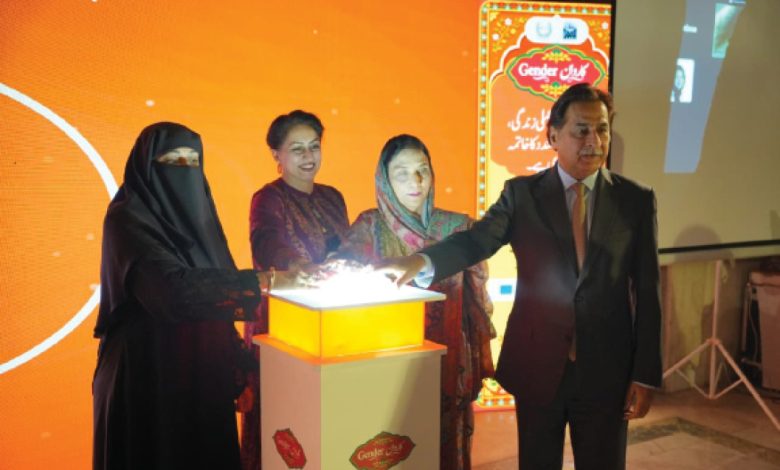
The Women’s Parliamentary Caucus (WPC) of the National Assembly of Pakistan launched the Parliamentary Expert Network (PEN) and presented its Annual Report 2025–2026 at a special event titled “Ghar Se Assembly Tak: Aurat Ki Qiyadat” (From Home to Assembly: Women’s Leadership), held at the Speaker’s Banquet Hall, National Assembly of Pakistan, Islamabad, as part of Gender Karavan: Barabari Ka Safar, Har Aangan Se, UN Women Pakistan’s 16 Days of Activism campaign.
Organized by the Women’s Parliamentary Caucus in collaboration with UN Women and the United Nations Development Programme (UNDP) under the EU-funded Pakistan Women Leaders Programme (PWL), the event brought together parliamentary leadership, women parliamentarians, young women leaders, institutional representatives and development partners to strengthen women’s leadership, promote parliamentary collaboration, and advance gender-responsive legislation and policies in Pakistan. It also marked the 16 Days of Activism against Gender-Based Violence campaign, highlighting the importance of addressing harmful social norms and ensuring women’s rights, representation and protection.
The Parliamentary Expert Network was formally launched by Honourable Sardar Ayaz Sadiq, Speaker, National Assembly of Pakistan, marking an important step towards institutionalizing access to specialized knowledge and expertise for parliamentary work. He said, “Strong parliaments are built on informed decisions, inclusive representation and meaningful engagement with people.
The Parliamentary Expert Network is an important step towards strengthening the capacity of our women parliamentarians by connecting them with research, knowledge and specialized expertise. By supporting evidence-informed legislation and policymaking, we can ensure that the voices, concerns and aspirations of women are reflected in our parliamentary processes and contribute to a more inclusive, equitable and responsive Pakistan.”
In her opening remarks, Dr. Shahida Rehmani, MNA and Secretary of the Women Parliamentary Caucus, highlighted the Caucus’s continued efforts to strengthen women’s leadership and representation in parliamentary processes. She said, “Women’s leadership must be strengthened at every level—from communities to Parliament. When women’s voices, lived experiences and priorities inform parliamentary debates and decisions, legislation and policies become more responsive to the realities of women and girls. The Women Parliamentary Caucus continues to work towards strengthening women’s representation and ensuring that their concerns translate into meaningful parliamentary action.”
Mr. Jamshed M. Kazi, Country Representative, UN Women Pakistan, reaffirmed the importance of institutional partnerships and sustained collaboration in advancing women’s leadership and gender equality. He said, “Gender equality requires more than commitments; it requires laws, policies, institutions and investments that respond to the realities of women and girls. Strengthening parliamentary capacity, expanding access to evidence and expertise, and ensuring women’s meaningful participation in decision-making are critical to advancing gender-responsive legislation and policies in Pakistan. Through Gender Karavan, we are creating spaces that connect voices from communities with institutions and decision-makers to drive meaningful change.”
Ms. Van Nguyen, Deputy Resident Representative, UNDP Pakistan, highlighted the consequences of intimidation for democratic representation. “Violence against women does not stop at the doors of Parliament or public institutions. Intimidation, harassment and threats can discourage women from entering politics, silence those already in public life, and prevent them from exercising leadership. We need institutions that not only open doors for women to participate, but also ensure they can lead, speak and make decisions safely and meaningfully,” she said.
A dedicated dialogue titled “Gender Karavan: From Community Voices to Parliamentary Leadership,” facilitated by Ms. Fahmida Iqbal Khan, Deputy Country Representative, UN Women Pakistan, provided a platform for young women leaders to share their perspectives on women’s leadership, political participation and barriers to meaningful representation. The dialogue brought together young women and women parliamentarians to explore how community-level experiences and aspirations could inform parliamentary priorities and contribute to more inclusive, responsive and evidence-based policymaking.
The dialogue underscored that women’s participation in decision-making must extend beyond representation to meaningful influence over legislation, policies and institutional priorities. By connecting grassroots experiences with parliamentary leadership, Gender Karavan seeks to amplify women’s voices and foster dialogue that can inform policy responses to the challenges faced by women and girls across Pakistan.
Syed Shamoon Hashmi, Special Secretary, National Assembly of Pakistan, highlighted the National Assembly’s institutional support for the Women Parliamentary Caucus and underscored the importance of strengthening collaboration between parliamentary institutions and technical experts to advance evidence-informed legislation, effective parliamentary oversight and responsive policies.
The event also featured the presentation of the WPC Annual Report 2025–2026, documenting the Caucus’s parliamentary initiatives, institutional achievements and progress in advancing women’s rights, representation and gender-responsive legislation. The report reflects the WPC’s continued efforts to strengthen women’s participation in parliamentary processes and promote cross-party collaboration on issues affecting women and girls.
The event was dedicated to Hina Javed, a 45-year-old digital media professional who was murdered at her residence in Rawalpindi on 20 August 2026. Her tragic death has renewed calls for justice, accountability and stronger protection for women against violence, underscoring the urgent need to address gender-based violence and ensure that no woman is denied her right to live with dignity and security.
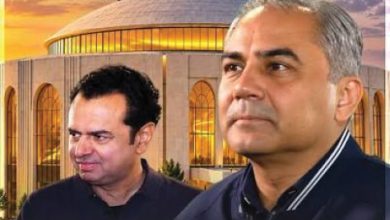
As part of the event, the Honourable Speaker, Syed Shamoon Hashmi, also marked the 16 Days of Activism against Gender-Based Violence campaign through the orange illumination of the National Assembly building. The symbolic gesture reaffirmed Parliament’s commitment to preventing and eliminating violence against women and girls and promoting a society where women and girls can live with dignity, equality and freedom from violence.