Polio drive launched to immunise over 7m children
All three KP polio cases emerged from hard-to-reach areas: CS Shah
DLP Report
PESHAWAR
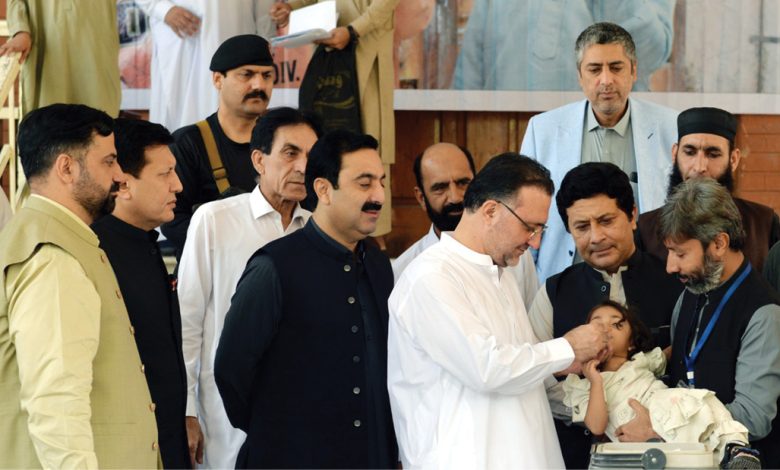
Khyber Pakhtunkhwa on Friday launched its September anti-polio campaign, with authorities aiming to administer vaccine drops to around 7.3 million children across the province from Sept 21 to 27.
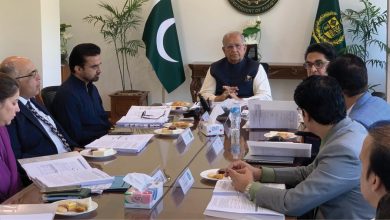
The campaign was jointly inaugurated by Health Minister Khaliqur Rehman and Chief Secretary Shahab Ali Shah in the presence of Health Secretary Fayyaz Ali Shah, officials of the provincial Emergency Operations Centre and international partner organisations.
Mr Rehman said around 35,000 polio teams, security personnel and officials from other relevant departments would participate in the week-long campaign. He urged parents, citizens and social media activists to support the campaign and help ensure that all eligible children received the vaccine.
The chief secretary said all three polio cases reported in the province this year had emerged from areas where access to children had been difficult because of security concerns.
He said three special vaccination campaigns had been conducted over the past three months in Upper and Lower South Waziristan, North Waziristan and Bannu to improve access to children in these areas.
Mr Shah said measures were also being taken to improve healthcare services in affected areas. These included the recruitment and deployment of 2,400 doctors, approval and procurement of medicines and outsourcing the management of 72 hospitals in remote areas to the private sector.
He said patients at the outsourced hospitals would continue to receive free treatment, with the government bearing the cost. A roadmap had also been prepared to integrate routine immunisation services, he added.
The chief secretary said the threat of polio was not confined to the province, as the presence of poliovirus in neighbouring Afghanistan posed a risk of cross-border transmission.
He urged the media and social media users to help create awareness about vaccination, particularly among families in poor and underserved areas, saying ensuring access to healthcare for children in such communities was the government’s responsibility.